- Florianópolis - State of Santa Catarina
- Mon. - Fra. 8:00 a.m. - 6:00 p.m. (BRT)

- Dr. Diego Di Marco Ataides
- Stories & Interviews
- May 21, 2026
The family story parents actually want to read
How an Australian Family Planned Birth in Brazil with BabyInBrazil
A real BabyInBrazil case study from first inquiry to birth, documents and return home
Publication note: This reconstructed family story is based on documented client communications, service records, timeline notes and post-birth follow-up. It describes one coordinated case and does not guarantee medical, legal, immigration, passport or government outcomes.
Planning birth in Brazil?
Send BabyInBrazil your due date, current country, nationality/document situation, family size and preferred arrival window on WhatsApp. We will help you understand the safest timeline, the right level of support and the next steps before you travel.
Case Summary
| Family journey | Details |
|---|---|
| Family from | Australia |
| Destination | Florianopolis, Santa Catarina |
| Arrival in Brazil | 2 December 2025 |
| Due date / birth month | January 2026 |
| Doctor and hospital | Dr. Diego Di Marco; Santa Helena maternity hospital |
| Birth plan | Scheduled Caesarean section on 12 January 2026 |
| Support selected | Birth Experience package |
| Main result | Baby born safely in Brazil; newborn documents moved quickly through the critical post-birth stage; passport-ready notice received on 3 February 2026 |

No family flies across the world for childbirth because it looks simple on paper. They do it because something deeper is at stake: safety, structure, peace of mind, timing, legal clarity and the hope that one of the biggest moments of their life will be handled with care instead of chaos.
For foreign families considering birth in Brazil, the real questions are practical and emotional at the same time: Can we do this safely? Who helps us? How early do we need to plan? What happens after the birth? And if life becomes complicated, will someone still be there?
This case follows an Australia-based family who chose BabyInBrazil for an end-to-end birth experience in Florianopolis. Their journey began with a WhatsApp inquiry in September 2025, moved into medical and legal planning, continued through housing coordination and airport arrival in December, and culminated in a January 2026 birth at Santa Helena followed by the newborn-document stage that mattered deeply to the family's return timeline.
The strength of this story is its realism. There was a timeline, there were decisions, and there were real constraints: high-season housing pressure in Florianopolis, time-sensitive document work and the family's need to return to their other children as soon as the essential post-birth steps were complete. That makes the case more useful for future parents, because it shows how BabyInBrazil operates when real family life, real deadlines and real bureaucracy all matter at the same time.
From uncertainty to a real plan
At the beginning, the family did not need a slogan. They needed clarity. Pregnancy, travel, housing, documents and the post-birth timeline were connected, and every decision depended on the next one. Once they saw the full chain, a specialized company stopped feeling optional and started feeling necessary.
BabyInBrazil moved the conversation quickly into the real backbone of the case: due date, travel timing, medical coordination, legal documents, housing and support after landing in Brazil. That mattered because the family was not only choosing a country or a hospital. They were choosing a process.
Continuity was the first major trust signal. The planning did not feel fragmented. Dr. Diego became part of the medical pathway, legal support entered the conversation, and the operational side around travel and settling in was already visible. For a parent reading this story, that is the difference between buying a single service and entering a coordinated maternity journey.
Why the Birth Experience package made sense
After the first contact and video call, the family selected the Birth Experience package. The reason was simple: they did not need one isolated service. They needed an integrated experience covering medical coordination, relocation, documents, birth planning and post-birth help.
A birth arrangement may solve one event. A maternity concierge journey helps the family move through the sequence of events before, during and after the birth. For this family, that continuity reduced the mental burden of becoming their own international childbirth project manager in the final months of pregnancy.
Instead of hiring one person for housing, another for legal guidance, another for medical coordination and then carrying the burden of connecting them all, the family had one team working around the same timeline. That changed the experience from fragmented to structured.
The legal side many families underestimate
One of the strongest parts of this case is the legal-document preparation. For many international families, paperwork looks like a small administrative detail until they realize it can shape the entire journey.
In this case, the couple were not legally married, so both parents' birth certificates required careful apostille handling and later sworn translation in Brazil. Australian and New Zealand documentation were also part of the preparation reality while the family was outside both countries during part of the process.
The value was not only being told which documents might be needed. The real value was sequencing: what had to be issued by which country, what could be apostilled electronically, what could wait until Brazil, what would need sworn translation, and what the registry might require after birth.
Legal wording must stay precise: BabyInBrazil supports preparation, coordination and process management. Final decisions on government documents, passports, visas, residence permits and immigration outcomes remain with the relevant authorities.
The housing challenge that made the story more believable
If this case were marketing fantasy, a perfect apartment would have appeared instantly. The real story is stronger because it shows what actually happens in a serious relocation journey: some parts require persistence.
The family was arriving during Florianopolis high season, when short-term housing becomes harder to secure and prices can rise quickly. BabyInBrazil explored hospital-adjacent options, temporary solutions and alternatives while the parents compared listings and made decisions.
This was not a weakness in the case. It showed the service continuing when the market itself was difficult. The family received videos, updates, price options, realistic explanations and alternatives. In complex international cases, the question is rarely whether everything will be magically easy. The question is whether the people supporting you stay engaged when a part becomes difficult.
Landing in Brazil and finally feeling the process become real
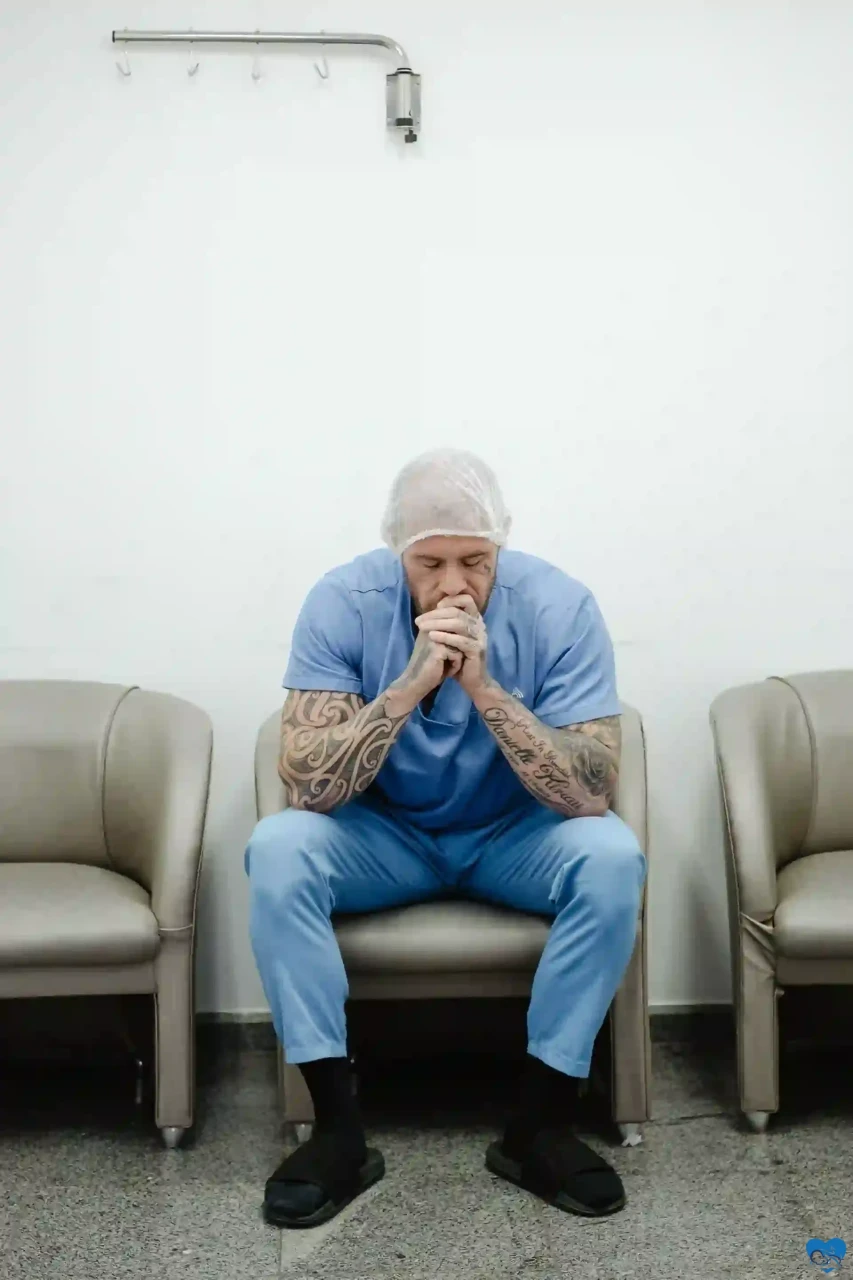
The family arrived in Florianopolis on 2 December 2025. BabyInBrazil had already arranged private airport transfer, local orientation, welcome support and early steps in the CPF process after arrival. This part matters emotionally because before travel everything still exists in planning mode. Once the family lands and someone is there to receive them, the experience becomes tangible.
For a heavily pregnant mother, small comforts do not feel small. Knowing that someone would meet the family, help them reach the apartment and orient them during the first days immediately lowered the stress level.
Support did not stop after the transfer. The first week included practical orientation and movement on early administrative steps. The parents' CPF numbers were issued on 11 December 2025, helping the family feel more grounded before the final stage of pregnancy.
Prenatal care in Brazil and the feeling of becoming grounded
The next emotional shift came when prenatal care in Brazil began. Until then, the family was still mentally in transit: traveling, settling in, comparing options and solving practical details. Once the prenatal rhythm started, the journey gained a center of gravity.
The family was now under care in the place where the baby would be born. Communication outside appointments also mattered. Being able to ask small questions, clarify details and receive practical guidance gave the medical side continuity instead of leaving it isolated from the rest of the journey.
For foreign parents, this is where coordinated care becomes more than convenience. It helps Brazil feel livable, understandable and safe enough for the family to focus on the birth itself.
The emotional pressure of timing when children are waiting at home
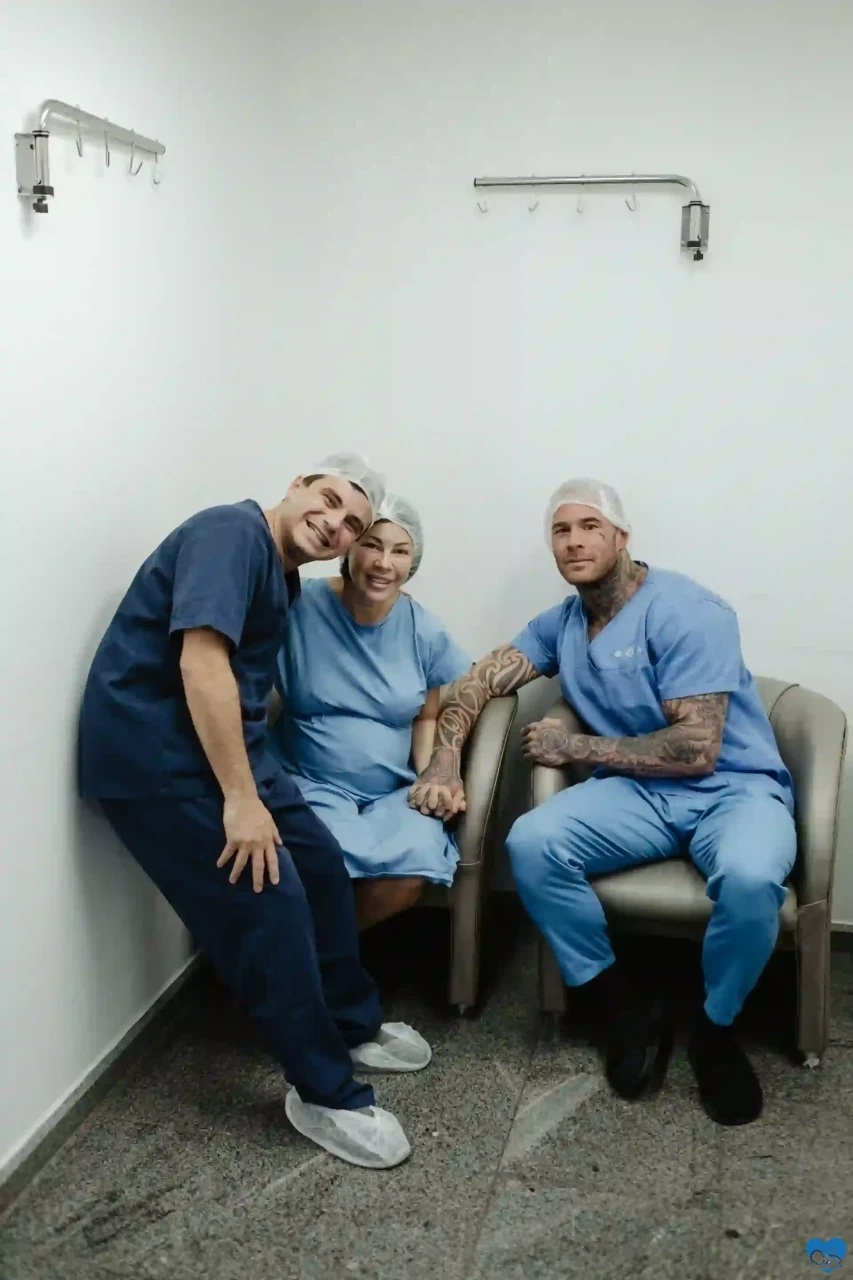
One of the most human parts of this case is family logistics. The family wanted the birth and post-birth document process handled efficiently because their other children were waiting at home. That fact changed the emotional structure of the entire journey.
Every day mattered not only in relation to pregnancy, but also in relation to family life beyond Brazil. The family needed practical reassurance: what could be done before birth, what would happen at the hospital, what had to wait until discharge, which document would trigger the next step, and how quickly the registry stage could move.
That kind of sequencing changed anxiety into focus. It gave the parents a way to understand the next step instead of feeling trapped inside a vague waiting period.
Why the final birth plan worked for this family
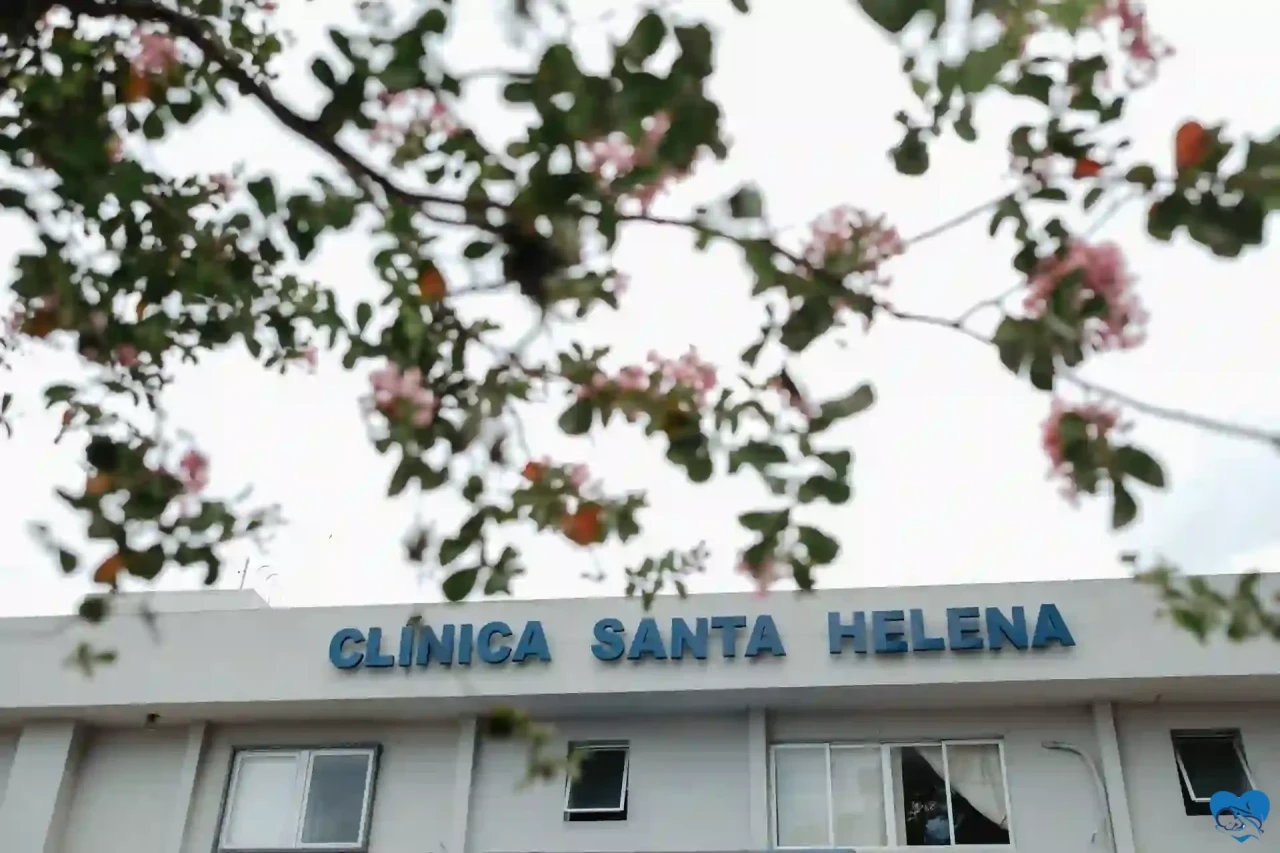
The birth plan ultimately became a scheduled Caesarean section at Santa Helena on 12 January 2026. The important point is nuance: this was not framed as a generic preference, but as a decision balancing medical safety, doctor guidance, family circumstances and the urgency of the post-birth document timeline.
Once the date, time, hospital and arrival window were confirmed, the family could prepare deliberately instead of waiting in a fog. Before a major medical moment abroad, administrative details are not minor. They turn uncertainty into preparation.
The birth day itself
On the day of birth, the family felt the value of the preparation that had happened earlier: checklists, timing, expectations, documents, hospital instructions and coordination. The broader support structure that had brought them into Brazil still felt present around the birth day.
This is where the story should slow down. The birth is not another logistical step. It is the conclusion of months of effort and the beginning of a new human life. The commercial strength of the case is not drama. It is the fact that the emotional weight of the moment was supported by structure rather than overwhelmed by confusion.
The first hours after birth and why post-birth support matters
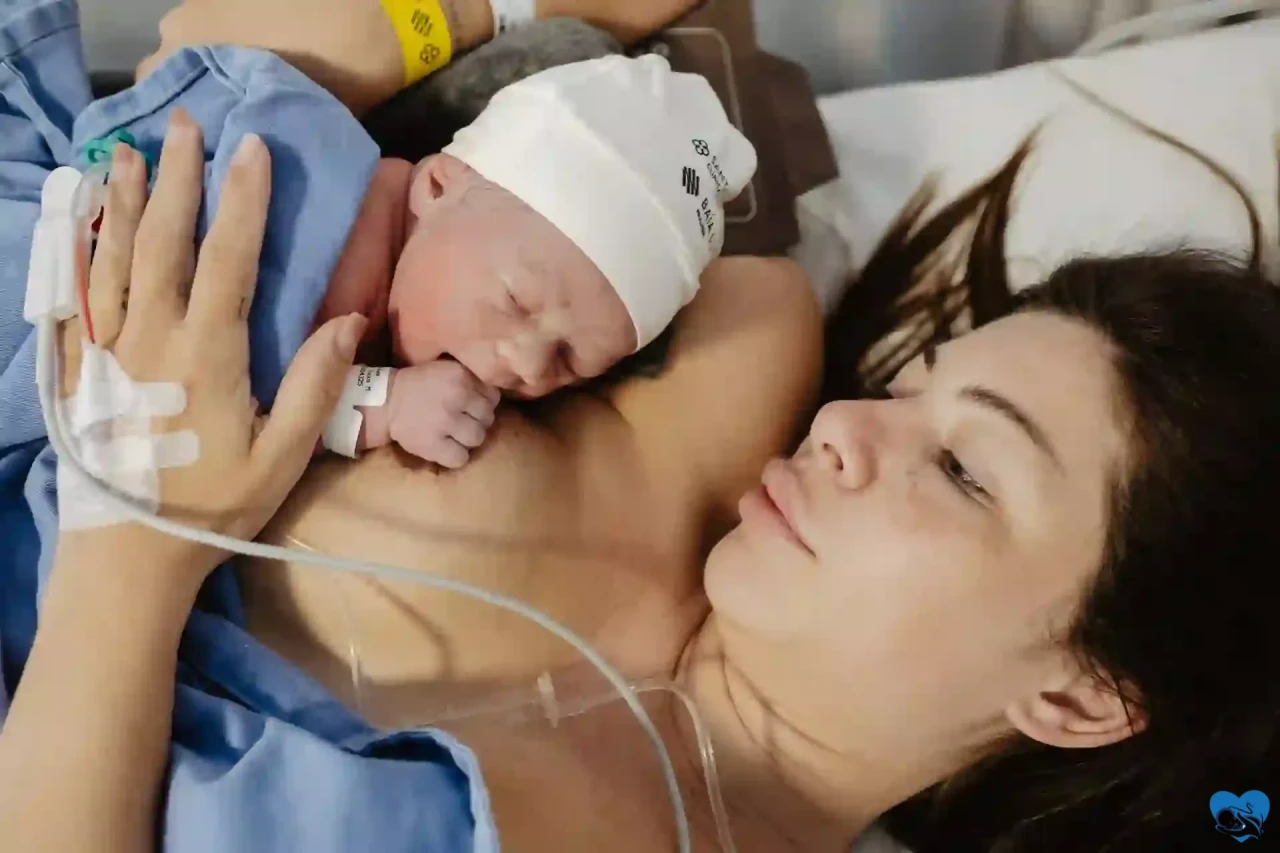
The days immediately after birth are where coordinated support becomes critical. The mother is recovering, the parents are emotionally full, the baby is here, and the newborn-document timeline suddenly becomes urgent.
In this case, the team was already coordinating around the live-birth record, discharge timing, registry-office appointment and next logistical steps while the family was still in the hospital phase. That mattered because the parents did not want to start learning a registry process from zero while recovering and bonding with their newborn.
Post-birth administration is not a side note when a family is international. The baby is here, but the story is not over. Documents, appointments and legal steps still matter for the family's travel timeline and future planning.
Discharge, registry and the part most families do not picture in advance
Many parents imagine the hospital as the main event and assume the paperwork will somehow just happen afterward. This case shows why that picture is incomplete. The discharge and registry-office phase can be just as sensitive as the hospital phase when the family has a tight calendar and is operating in another country.
Good support at this stage is not about making everything glamorous. It is about making it manageable. A recovering mother, a newborn and time-sensitive paperwork need sequence, guidance and someone who sees what must happen next.
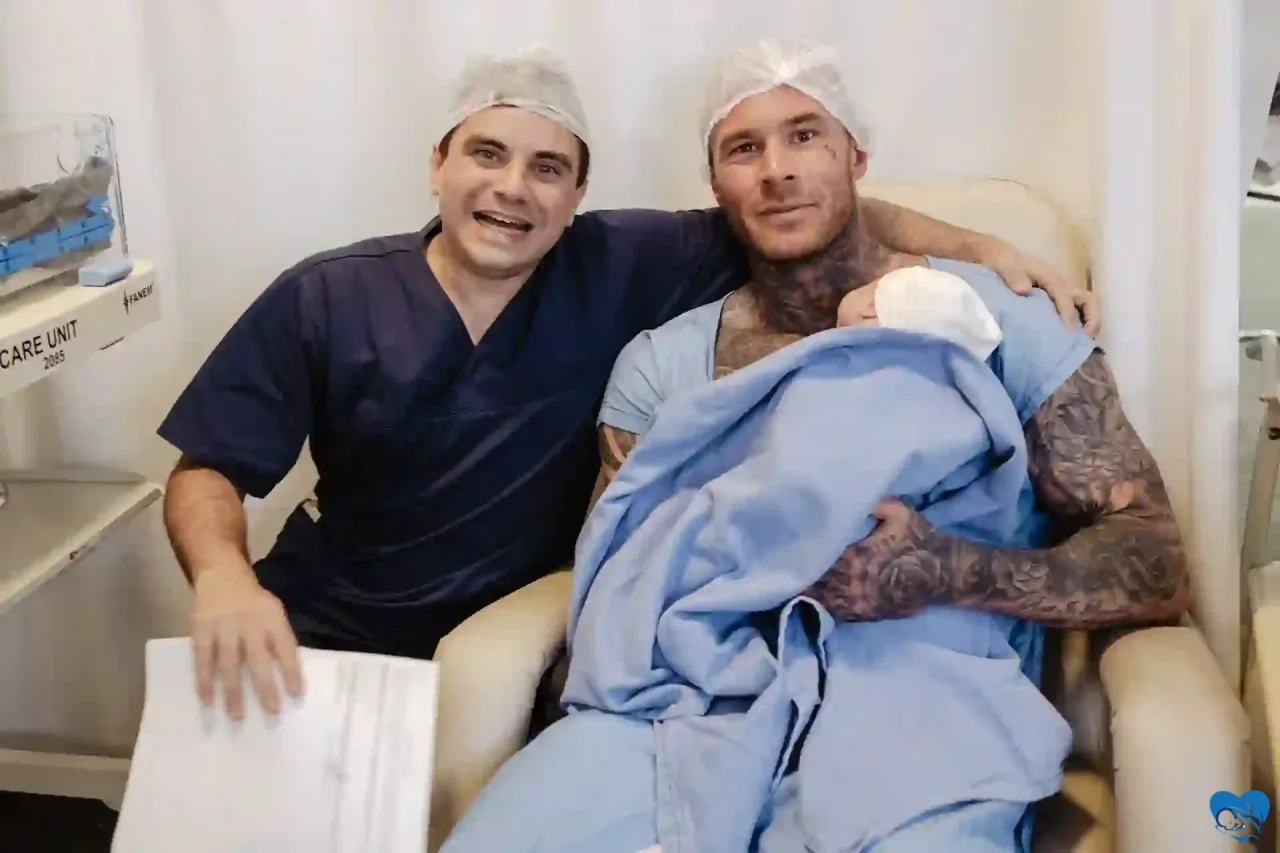
Fast documents are rarely effortless, but they can be well managed
The newborn-document stage is one of the strongest parts of this case. The family wanted speed after birth because their other children were waiting at home. The process continued through registry, apostille and newborn passport support, and the passport-ready notice arrived on 3 February 2026.
Fast document work does not feel magical when you are the family living through it. There are appointments, windows, forms, timing questions and the constant awareness that each day counts. But it can still feel well managed.
In this case, speed came from persistence, flexibility and people staying engaged with the timeline. When a faster passport appointment might require another city instead of waiting longer locally, that became part of the strategy. The result felt earned because the chain kept moving.
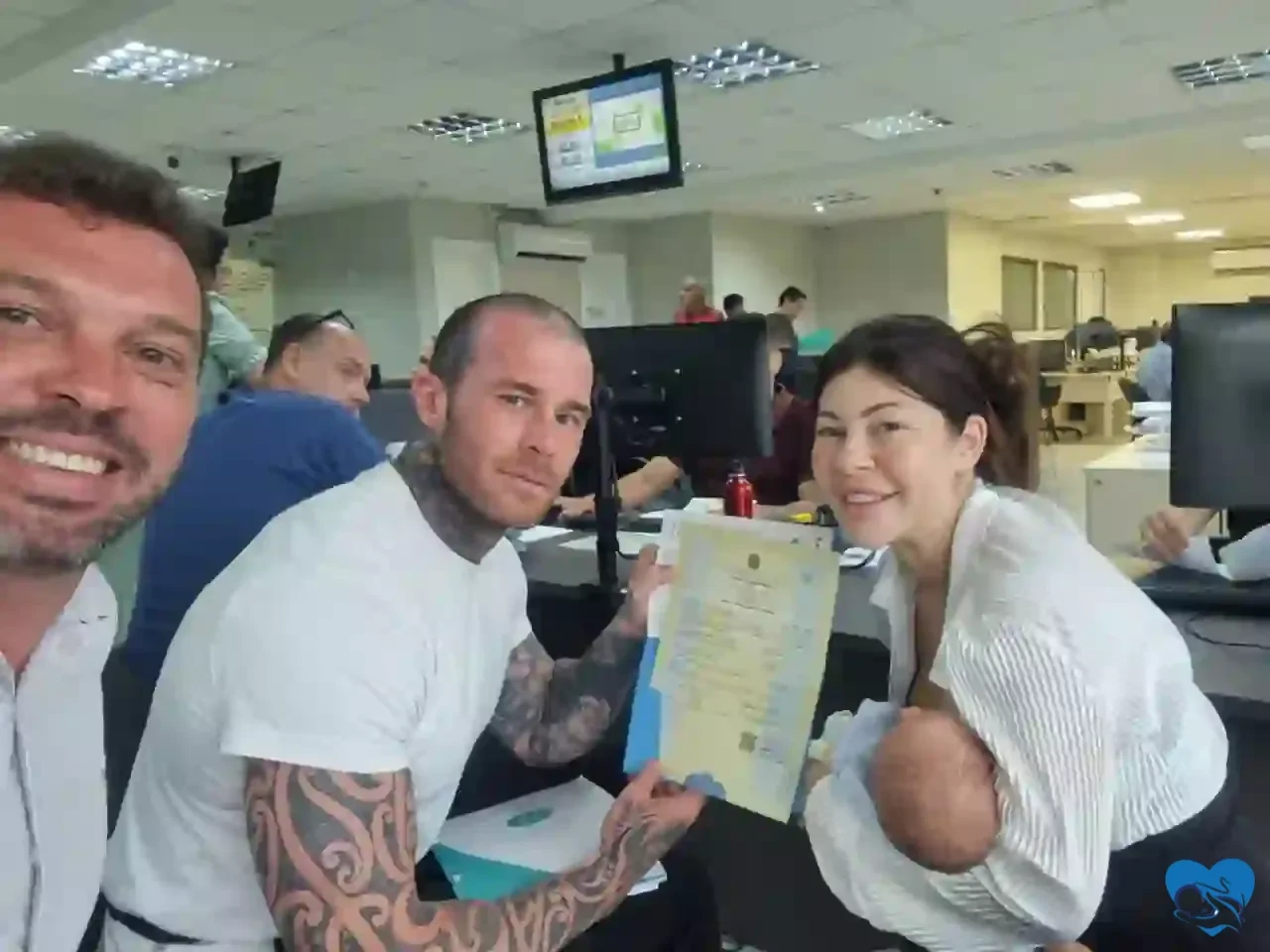
Why this case is stronger because it does not pretend to be flawless
The page becomes more trustworthy when it keeps the realism. Some elements required persistence: peak-season housing pressure, local setup details, follow-up on small operational issues and flexibility around passport timing.
Perfect stories are often less useful because no one believes them. Real stories are useful. This family had moving parts, timing pressure and details that needed follow-up. The most important thing is that the process never stalled. Support stayed present. There was still movement, response and problem-solving.
That is where trust is created: not by pretending everything goes beautifully, but by proving that when life is real, the system still works.
What BabyInBrazil handled in this case
- Before travel: timeline planning, package selection, document preparation and visa-related guidance.
- Arrival: airport transfer, local orientation, housing coordination and CPF onboarding.
- Medical coordination: prenatal organization, doctor communication, hospital planning and birth-day timing.
- After birth: live-birth record coordination, registry support, apostille support and newborn passport process.
What made the experience feel premium
Premium maternity and relocation support is not only about aesthetics. It is about continuity, personalization and the removal of invisible burden.
In this case, medical care, legal support, housing, arrival, birth and documents all belonged to the same story. The support reflected the family's due date, urgency, document reality, family situation, hospital context and need to return home.
The visible things are easy to name: airport transfer, appointments and document coordination. The deeper value is reducing mental overload, answering practical questions before they become frustrations, and helping a family move from discharge to documents while exhausted.
Who this kind of service is really for
BabyInBrazil is for families who understand that childbirth abroad is not one event. It is a whole journey.
It is especially valuable when the case has timing pressure, language pressure or document complexity. Those families need integration: one path from doctor to documents, one timeline, and one team that understands birth and bureaucracy at the same time.
Emotionally, it is for families who want to live through the experience with more support and less fragmentation. The outcome matters, but so does the way they arrive there.
What the family would tell other parents considering birth in Brazil
Start earlier than you think. Give yourself more runway on documents, visas, apostilles, translations, housing and logistics than you assume you need. Work backwards from the due date, then work backwards again from the realistic arrival date.
Decide early whether you want a pieced-together experience or a coordinated one. Neither answer is morally better; they are different realities. If you want fewer unknowns and a more protected path, choose a team that can coordinate the moving parts.
Be honest about what matters most to your family. For this family, moving efficiently after birth mattered because their other children were waiting. Another family might prioritize more postpartum time in Brazil, a different hospital atmosphere or a longer stay. There is no universal perfect plan; there is only the right plan when it matches real life.
The feeling that stayed after everything was over
The emotional truth of the case is simple: the journey held together.
At the beginning, it felt huge: international travel, pregnancy, legal documents, housing, birth, recovery and the need to return to the rest of the family. At the end, what stayed was not only that the milestones happened, but that they happened in sequence.
The sequence was inquiry, call, package, contract, visa, documents, housing, airport arrival, prenatal care, birth, registry, apostille, passport and return home. That sequence created peace because the family did not have to go through the entire process alone.
Continue planning: related BabyInBrazil pages
- Dr. Diego Di Marco
- Baby Documents
- Visa Requirements
- Parent Residency
- Citizenship Process
- Housing and Rentals
- Stories / Interviews
Use natural anchors inside the article and CTA areas rather than repeating exact-match keywords.
FAQ for parents considering birth in Brazil
-
How early should foreign families start planning birth in Brazil?Earlier than most people think. In this case, planning began in September for a January due date, and that runway mattered for package selection, visa preparation, apostille handling, housing coordination and arrival timing.
-
What if the parents are not legally married?That can affect the documentation workflow, so the legal-document path should be reviewed early. In this case, both parents' birth certificates required careful handling, apostille logic and sworn-translation planning in Brazil.
-
Does support stop after the baby is born?It should not. In this case, the post-birth stage included live-birth record coordination, discharge planning, registry support, apostille support and newborn passport support.
-
Can housing be difficult in Florianopolis?Yes, especially in high season. This case shows that premium support must also work when the market is tight and options move quickly.
-
Why choose a coordinated service instead of arranging everything separately?Because childbirth abroad is not one event. It is a sequence of medical, legal, logistical and emotional stages. A coordinated service can reduce fragmentation and help parents understand what happens next.
-
Can BabyInBrazil guarantee government documents or immigration outcomes?No. Government decisions, passports, visas, residence permits and immigration outcomes remain subject to the relevant authorities. BabyInBrazil supports preparation, coordination and process management, but does not guarantee discretionary outcomes.
-
What should parents send before the first consultation?The most useful first details are due date, current country, nationality or document situation, family size, preferred arrival window, medical preferences and main post-birth document goals.
Planning birth in Brazil as a foreign family is not only about choosing a hospital. It is about preparing the whole journey: the documents, the city, the medical support, the arrival, the birth and everything that happens after. Send BabyInBrazil your due date, current country, family size and document goals on WhatsApp, and we will help you understand the safest timeline, the right level of support and the next steps before you travel.
We are here to help.
Contact BabyInBrazil on WhatsApp: +55 48 99217-9887

Dr. Diego Di Marco Ataides
With over 14 years of experience in obstetrics, including a wide range of care from prenatal monitoring to labor and postpartum recovery.
An obstetrician in Brazil – providing professional support for expectant mothers. My name is Diego Di Marco, and I am an obstetrician with over 14 years of experience and more than 2,000 successful deliveries. I place a special emphasis on providing quality care for expectant mothers at every stage of pregnancy, from prenatal care to childbirth.
Related News By Dr. Diego Di Marco Ataides

Australia Birth Case
The family story parents actually want to readHow an Australian Family Planned Birth in Brazil with BabyInBrazilA real BabyInBrazil case study from first inquiry to birth, documents and return homePublication note: This reconstructed family story is based on documented client communications,...